The high risk merchant account blog
A free library of merchant-account guides, chargeback prevention playbooks, and compliance checklists — written for every business we serve, from low-risk retail and e-commerce to 67+ high-risk industries. We write from underwriting a business operationally, not a generic high-risk payment processor script: what actually specializes in high risk categories, which fraud prevention tools move a chargeback ratio, and how a rolling reserve gets structured for high transaction volumes.
Learn how approvals really work for high-risk merchant accounts, how to keep disputes below card-brand thresholds with chargeback defense, and how bank payments settle through ACH processing.

Every guide in the library
Decline Codes and Retry Limits: What the Visa Rules Permit
Visa publishes a retry limit for declines. Twelve codes mean never try again. Everything else allows up to 20 attempts in 30 days.
Refund Authorization: Why a Credit Stalls and What Visa Requires
Refunds carry an authorization request. Visa sets a 99 percent minimum approval rate and requires the pending credit to show as fast as a purchase.
Visa Installment Credential Rules Reach the US on 24 October
Visa Installment Credential rules took effect in the US on 24 October. The threshold is USD 0, and two merchant category codes are excluded by rule.
Visa Enforcement Appeals: What a Merchant Can Actually Challenge
Visa publishes an appeal process for its enforcement decisions and merchants are not party to it. The right belongs to your acquirer, on new evidence only.

Visa Marketplace Rules: What Qualifies and What It Costs
Visa classifies a marketplace by a five part test, and all five must hold. Miss the requirements and the published ladder runs to USD 250,000.
Visa PCI DSS Rules: Who the Fine Actually Lands On
Visa cannot fine your business for a PCI failure. Assessments land on your acquirer, and the rules forbid it from telling you Visa fined you.
Visa Fines: What the Published Assessment Schedule Says
Visa publishes its fine schedule. It starts at a USD 1,000 case fee, escalates to USD 150,000, and reaches USD 1,000,000 a month for significant violations.

Credit Vouchers: Refunds Have Their Own Interchange
Refunds are priced separately in Visa's schedule. An ecommerce consumer credit refund is 2.05%, a corporate card refund 2.35%, and a debit refund 0.00%.
Commercial Card Interchange: Large Tickets Cost Less
A $250,000 B2B card invoice can cost 0.52% or 2.70% in interchange depending on the fee program. That is about $5,445 on one transaction.
Small Merchant Interchange: Under $280,000 Pays Less
Visa publishes a Small Merchant Fee Program capped at $280,000 in Visa consumer credit sales, and its card-present rate beats the largest retailers'.
Interchange Thresholds: Why a $499 Charge Costs More
Four US interchange programs need a minimum ticket. On a card-absent healthcare charge, going from $499 to $500 saves about $1.83 in interchange.
Interchange Caps: Where Your Rate Stops Climbing
Several US fee programs cap interchange at a fixed dollar amount. Consumer credit fuel stops at $1.10, so a $200 fill pays 0.55% interchange.
Contactless Only Terminals: When Tap Only Is Allowed
A tap-only counter is allowed under USD 1 million in annual Visa volume if international stays under 10%. Above that, you need another device.
Surcharge Parity: When You May Not Surcharge a Visa Card
If a competing card brand blocks you from surcharging its products in a channel, Visa's similar treatment rule blocks you from surcharging Visa there.

Visa Acceptance Marks: What You Must and Must Not Display
Displaying the Visa marks commits you to accepting the matching products. The equal prominence rule carries a footnote that excludes the US outright.
Fuel Pump Authorization Holds: What the Rules Allow
A US fuel pump can run a status check worth USD 175, or USD 1,000 on a Visa Fleet Card, and the final amount has to reach the issuer within 2 hours.
Deferred Authorization: Taking a Sale When the Network Is Down
You can complete a sale when the connection drops, but the rules attach two obligations: flag it as deferred, and send it within 24 hours.
Cardholder Identification: When You Can Ask a Customer for ID
You cannot make ID a condition of the sale. If you suspect fraud face to face in the US, you can ask, and you can decide what to do next.

Card Data Rules: What You Must Never Ask For, Show, or Reuse
Three one-sentence rules: never ask for a PIN, never show a full card number online, never reuse authentication data across transactions.

Split Transactions: When Two Receipts Break the Rules
Split tender across two cards is allowed. Carving one sale on one card into two receipts is not. The rules treat them very differently.
Pickup Response: What to Do When the Terminal Says Pick Up Card
Codes 04, 07, 41 and 43 mean stop, not retry. The rules also say do not take the card, and retrying costs you a dispute protection.
Reserve Math: What a 10% Rolling Reserve Does to Cash Flow
A rolling reserve is not a fee, it is locked working capital. Monthly volume times rate times hold months tells you exactly how much.
Gateway Options When Authorize.net Turns You Down
A gateway does not underwrite anyone. An acquiring bank declined you, and under US Visa rules it cannot lock you to its own gateway either.
Gateway Fees for High Risk Merchants: What You Pay and Why
Your gateway is a registered agent of your acquirer, and Visa can reject that registration without cause. The contract chain is what you pay for.

Surcharging vs Cash Discount vs Dual Pricing: What Actually Differs
One is protected by federal statute, one is capped at 3% by Visa and banned in some states. They are not three names for the same thing.
Virtual Terminal vs Payment Gateway: When You Need Which
They are not competing products. A virtual terminal is a screen inside a gateway, and switching it on changes how Visa classifies your business.
How Tap to Pay on iPhone Actually Works
Take contactless cards on an iPhone with no reader at all. What you need, the limits Apple puts in its footnotes, and when a terminal still wins.
How to Exit a Merchant Processing Contract
Leaving on your terms costs a fee. Being terminated for cause costs three years on a file every acquirer checks. Knowing which exit you are in matters.
Which Merchant Account Fees Are Negotiable, and Which Aren't
Interchange and assessments are fixed for every processor. The markup and the monthly fees are not. Here is which line items you can actually move.
Negative Option Billing: What Visa Requires
Visa's negative option rule needs a cancellation link in your receipt email and seven days' notice before a trial converts. It survived the FTC vacatur.
Terminal Leasing: How It Works and Why Merchants Choose It
Terminal leasing starts from around $15 a month, keeps capital in the business, and keeps your hardware current. Here is how it works and how to get one.
Preauthorized Health Care Transactions: The Card Rules
Visa's US rules require a health care order form with three elements and bar charging the card until insurance adjudication. Most practices miss the timing.
Cash Discounts: What the Visa Rules Let You Offer
US merchants may discount to steer customers off Visa cards, and acquirers are barred from contractually stopping them. Both are in the rules.
Cash Back at the Point of Sale: US Rules and Limits
Cash back is capped at USD 200 in the US, debit and prepaid only, PIN required, and the cash-back portion can never be refunded.
Transaction Aggregation: When You Can Batch Charges
A charge must be one purchase. US ecommerce can aggregate only up to USD 15 across 3 days, with disclosure and a 120 day record duty.
Authorization Reversals and the 24 Hour Rule
Authorize and not complete, or complete for less, and you must reverse within 24 hours. That is the rule behind every mystery pending charge.
Chip Fallback: Who Pays When the Chip Won't Read
A fallback transaction shifts counterfeit liability to the issuer only if three conditions hold. Miss one and it lands on your acquirer.
Prepaid Cards, Partial Approvals and Honor All Cards
No prepaid-specific acceptance rule exists. Honor All Cards decides whether you must take the card, partial authorization decides if it declines.
What Visa Actually Requires for CVV2 Codes
No Visa rule requires a US merchant to collect CVV2. The capture mandates are AP Region and Canada. The US section covers issuers only.
Transaction Receipt Rules: What Must Appear
A receipt has ten required elements and a prohibited list. One prohibition applies to every terminal and gateway from 16 October 2027.

Installment Transactions vs Recurring Billing
An installment splits one purchase, a recurring charge bills for something ongoing. The rules attach different disclosure duties to each.

Refund Timeframes: When Your Credit Has to Post
US issuers have 3 business days to post a credit card refund. Dating your credit receipt buys 15 days where no chargeback can be filed.

How Visa Classifies Gambling and Quasi-Cash Sales
Online gambling must carry a quasi-cash indicator on both the authorization and the clearing record. Crypto purchases are carved out of that rule.
Account Data Compromise: The Loss You Cannot Dispute
A card data breach has no dispute right and no compliance case. Visa decides qualification, cost and liability under a guide it doesn't publish.

Floor Limits: What They Are and Whether Yours Matters
A floor limit is the amount above which Visa requires online authorization. Most US merchants sit at zero, but it still caps one live dispute.

Partial Disputes: How Much of a Sale Can Be Charged Back
A cardholder can dispute part of a sale, surcharges must be pro-rated, and you are allowed to settle just the part you cannot defend.

Visa Arbitration: Why You Cannot Hold Evidence Back
You may not submit anything to Visa you did not already send the issuer, and appeals need both new evidence and a disputed amount over USD 5,000.

Enumeration Attacks: Why Declines Count Against You
Visa's enumeration ratio counts declined transactions on both sides, so blocking a card testing attack does not remove you from the numbers.
Dispute Condition 10.5: When Visa Files the Chargeback
Condition 10.5 is triggered by Visa, not your customer. There are no invalid disputes, no compelling evidence, and it can be filed twice.

Refund Policy Disclosure: The Rule That Wins Disputes
A footer link to your refund policy is not a compliant disclosure, and the disclosure is the evidence you submit to defend a cancellation dispute.

Compelling Evidence: What Visa Actually Accepts
Compelling evidence is a defined list, not anything persuasive you hold. Here is what qualifies per condition, and the formats that get files rejected.

Card Minimums and Maximums: What You Can Require
You may set a $10 minimum on US-issued credit cards, never on debit. Maximums are limited to federal agencies and three school MCCs.

Third Party Agent Registration: Who Has to Register
Your gateway or billing vendor probably needs registering with Visa before it does any work, and the registration is tied to one acquirer, not to the vendor.

Original Credit Transactions: The Rules for Paying Out
An OCT pushes money onto a card and can't be labelled a refund. Visa must be notified before your first one, and reversals get one business day.

Visa Integrity Risk Program (VIRP): What It Monitors
VIRP monitors legality, marketing claims, and brand damage, not chargebacks. A clean dispute ratio is no defense, and being named has a three year tail.

Rapid Dispute Resolution (RDR): What Visa's Rules Say
Visa defines RDR as automating the acceptance of liability. Here is the double refund trap and the 60 day clock that most RDR explainers leave out.
Account Name Inquiry: What ANI Checks and Who It Skips
Business and commercial cards carry no cardholder name, so ANI returns nothing. Declining on that absence is prohibited, and it rejects your best buyers.
Merchant Fraud Monitoring: Four Rules You May Miss
Visa requires card-absent merchants to set a daily transaction limit capped at 25, with verification beyond it. Most have velocity scoring, not a gate.

Dynamic Currency Conversion: The Rules and the Fines
DCC must be opt-in and never pre-selected. Violations expose your acquirer to assessments up to USD 50,000, and e-commerce stores trigger it unknowingly.

Guaranteed Reservations and No-Show Billing Rules
A no-show charge covers one day, not the whole stay. Billing more is named in Visa's dispute rules as grounds for a cardholder chargeback.

Zero Dollar Authorizations: How to Check a Card
Visa requires card checks to be for zero, not a dollar. And response code 85 is an approval, not a decline, which costs merchants real signups.

Estimated and Incremental Authorizations: The Rules
Visa bans padding an authorization for damage, incidentals or tips. Hotels and rental firms do it routinely. Here's what the rules actually permit.

Digital Wallets: Pass-Through vs Staged Explained
One wallet type hands you the card and leaves. The other keeps the card leg, so your customer's statement shows the wallet company instead of you.

Billing Descriptors: What Visa Actually Requires
Visa regulates your billing descriptor as the Merchant name, and requires the same spelling everywhere. Your acquirer must fix one causing confusion.

Agentic Payments: What Visa's Rules Say About AI Buyers
Visa's agentic payment rules went live on 18 April 2026. The cardholder owns the agent's actions, and your refund policy is now read by a machine.

Convenience Fees: What Visa Actually Allows
Visa permits convenience fees under nine conditions at once. Online-only sellers fail two of them, and percentage-based fees aren't allowed in the US.

Stored Credentials and Card on File: The Visa Rules
Visa treats saving a card as its own act, with consent, setup and flagging rules. A declined card can't be stored, and trials need seven days of notice.

What Is AVS? Address Verification Service Explained
AVS matches a billing address against the issuer's file. It won't stop a chargeback in the US, and a Visa rule change on 25 July 2026 tightens the data.

Fraud Screening Tools: Build In House or Buy One?
Detection rates are the wrong axis. The question is whether your setup can still produce dispute evidence in clear text six months later.

What Actually Makes a Business High Risk to a Processor?
It is not about your business. It is about what your acquiring bank has to register, prove and post with Visa before it can take you at all.

How to Calculate Your True Chargeback Ratio
There isn't one chargeback ratio. Your number, Visa's VAMP ratio, and your acquirer's limit use different inputs and give different answers.
What Is Friendly Fraud? The Rules That Let You Fight It
The real cardholder disputes a real purchase. Visa built a remedy for it, and qualifying depends on data most merchants hash before they can use it.

Tiered Pricing Explained: What a Downgrade Really Costs
Mid-qualified appears nowhere in Visa's published schedule or its rulebook. Here is what the real downgrade categories are and what they cost you.

What Is Chargeback Representment? Rules and Deadlines
Visa's rulebook never uses the word representment. Here is what it actually requires, the 15 day clock, and why most cases lose on procedure.

Interchange Rates Explained: How They Are Set and Why
Visa's own schedule says merchants don't pay interchange. Here is what you actually pay, why the same card has dozens of prices, and what you can change.
PayPal vs. a Dedicated Merchant Account: Which Is Right?
PayPal gates 18 categories behind pre-approval and escalates fees at a 1.5% dispute ratio. Here is what its own terms say before you compare rates.

Stripe vs. a Dedicated Merchant Account: Which Is Right?
Stripe publishes the answer in two documents: its restricted business list and its termination clause. Both settle this faster than any rate comparison.
What Is a Payment Facilitator (PayFac)? Rules and Limits
A PayFac holds the merchant account and you process underneath it. We searched Visa's 923-page rulebook to separate the actual rules from the myths.

How to Apply for a High-Risk Merchant Account: Documents and Process
Regulators dropped reputation risk from bank supervision in 2025 and 2026. Here is what an acquirer actually reviews now, and what to have ready.

Interchange Plus vs. Flat Rate Pricing: Which Saves You More?
Flat rate is simpler. Interchange plus is auditable against Visa's published schedule. That difference matters more than the headline rate does.

Square vs. a Dedicated Merchant Account: Which Is Right for You?
Square publishes a list of 31 business types it won't serve. Check that list first, because it settles the question faster than any rate comparison.

What Is an MCC (Merchant Category Code)?
Your MCC is a four-digit code your acquirer assigns, not one you pick. It sets your interchange rates and it appears on your IRS Form 1099-K.

Card Present vs. Card Not Present Transactions Explained
Visa's own schedule prices a card-present debit sale at 0.80% and the identical card online at 1.65%. Here is why the gap exists and what to do.

Chargeback vs. Refund vs. Dispute: What's the Difference?
A refund costs you the sale. A chargeback costs you the sale, a fee, and a mark on the ratio that can close your account. Here is the difference.

How to Read Your Merchant Processing Statement
Your statement hides the only number that matters: effective rate. Here is how to calculate it and find what your processor actually charges you.

What Is a MID (Merchant ID)?
A MID is the number that carries your chargeback ratio, your category code, and your descriptor. It is the unit every monitoring program measures.

ACH vs. Card Payments: What's the Difference?
ACH charges a flat fee per payment while cards take a percentage. That one difference decides which rail is cheaper for your average ticket size.

Dedicated vs. Pooled Merchant Account: What's the Difference?
A pooled account puts you under someone else's MID. A dedicated account is underwritten in your name. That decides who can freeze your money.

What Is EMV and Why Do Chip Cards Matter?
EMV chip cards generate a one-time code per transaction, which is why they killed card cloning. Here is what the 2015 liability shift means for you.

What Is 3D Secure (3DS) and Does Your Business Need It?
3D Secure shifts fraud liability from merchant to issuer when used correctly. Here is how it works, and when the checkout friction is worth it.

What Is Tokenization in Payment Processing?
Payment tokenization swaps a card number for a value that means nothing if stolen. Here is how it actually works and why it cuts PCI DSS scope.
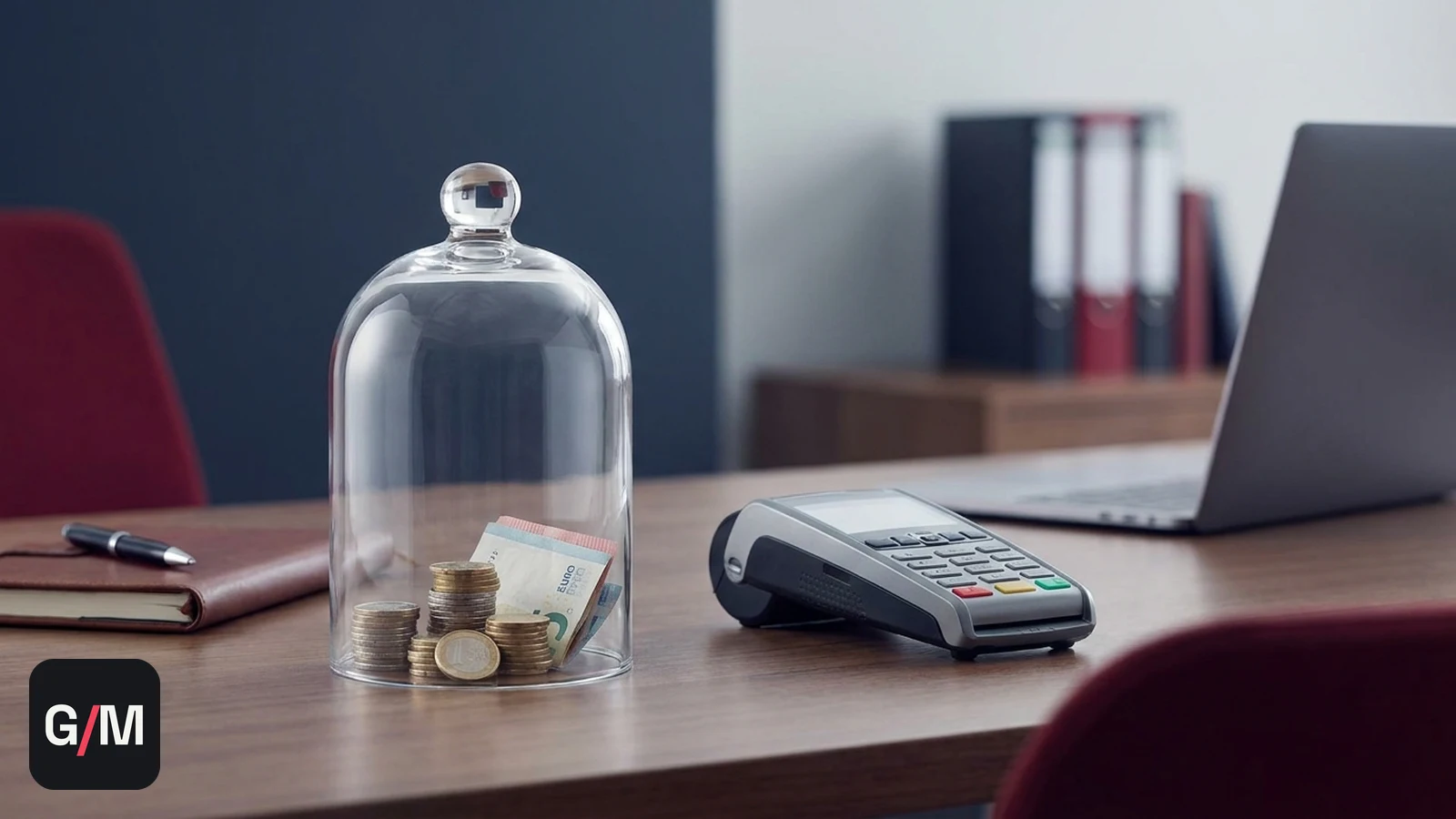
What Is a Rolling Reserve and Why Do Acquirers Hold One?
A rolling reserve holds back a slice of your sales as a dispute buffer. Here is why acquirers require one, how it works, and how it eventually eases.

What Is PCI DSS Compliance? A Plain-English Guide
PCI DSS applies to any business that touches card data, no matter its size. Here is what the standard actually requires and which level applies to you.

Payment Processor vs. Acquirer vs. ISO: What's the Difference?
A processor moves data, an acquirer moves money and holds the risk, and an ISO sells and supports the account. Here is how the three actually differ.

What Is a Payment Gateway? (And How It Differs From a Processor)
A payment gateway encrypts and routes card data. A processor moves the money. Here is the real difference, and why merchants confuse the two.

What Is a Chargeback? How the Dispute Process Works
A chargeback reverses a card payment after the sale settles. Here is what a chargeback actually is, how the dispute process works, and why it matters.

Merchant Account Guide for High-Ticket Coaching & Info Products
High-ticket coaching and info products carry large ticket sizes and implied-results disputes. Here is what a dedicated merchant account protects.
How to Switch Payment Processors Without Losing Your Merchant Account
Just 15% of small businesses expect to change processors in three years, though 59% would for lower fees. Here's how to migrate without a gap.

Getting Off the MATCH List: Merchant Account Recovery Guide
Getting off the Mastercard MATCH list can take 5 years. Here's what actually triggers a listing and how merchants still get approved while on it.
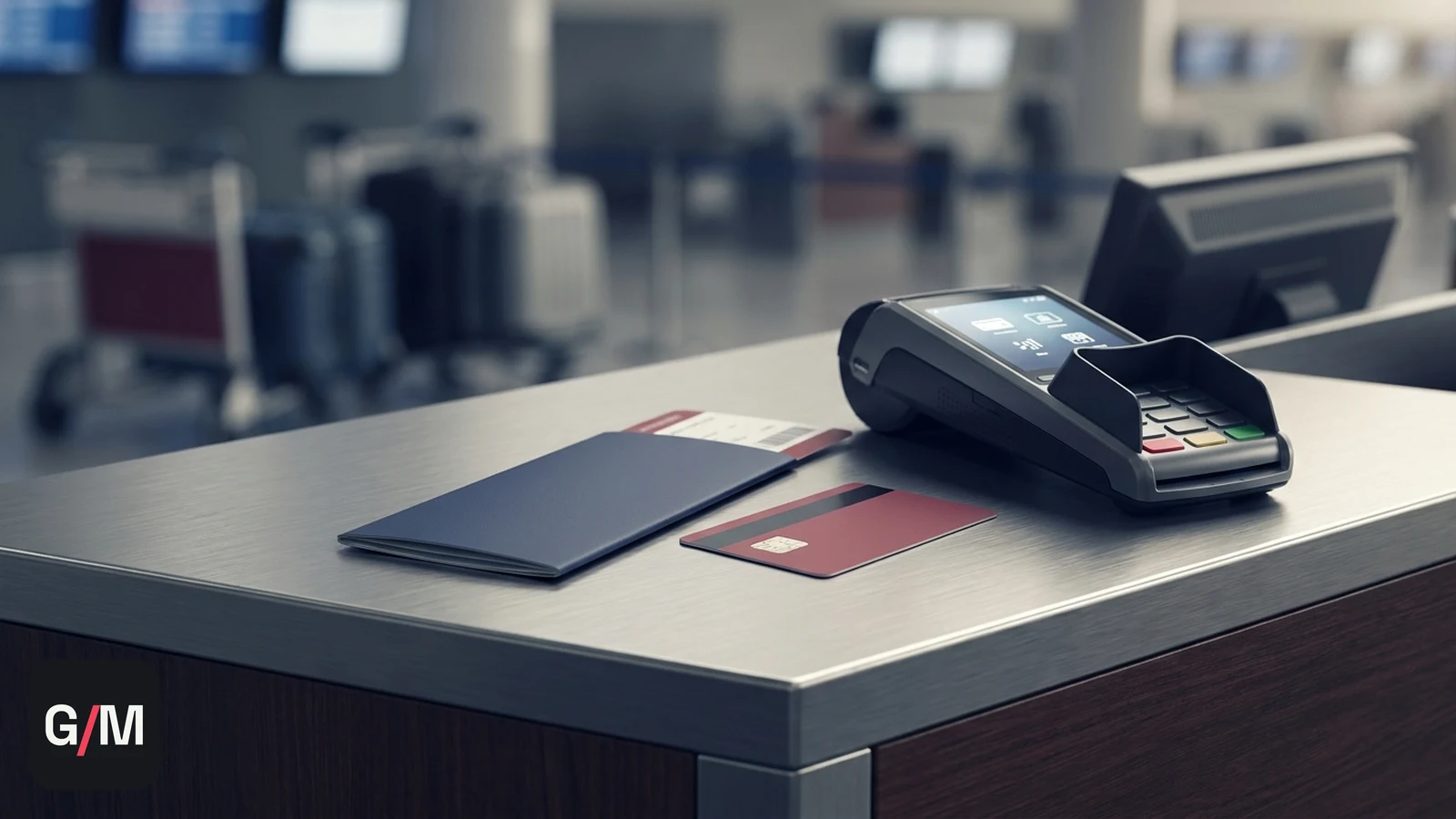
Travel Industry Merchant Account: Chargeback-Prone Payment Processing
A travel dispute window can run up to 540 days, 4.5x longer than standard e-commerce. Here is why travel needs a merchant account built for delays.

Vape & E-Cigarette Merchant Account: Payment Processing Guide
Vape businesses face PMTA review, PACT Act shipping rules, and chargebacks well above e-commerce average. Here's how to get a stable merchant account.

What Is a Merchant Account? A Complete Guide
A merchant account is the bank account behind every card charge your business takes. Here is what it does and how it differs from a payment processor.

Book Publishing Package Billing: Merchant Account Guide
An author pays upfront for a package delivered over months, then disputes it if the manuscript stalls. That gap drives most of this category's risk.

Cybersecurity Retainer Billing: Merchant Account Guide
A client breached under a security retainer can dispute the charge. With breach costs averaging $4.44M globally, that's the real figure behind the claim.

MSP Merchant Accounts: Billing Retainers and Hardware
An MSP billing a $2,000 retainer next to a $60,000 server refresh looks like fraud to an automated model. Here is how the account gets structured instead.

Virtual Assistant and BPO Merchant Accounts: Billing Guide
A VA client can dispute a monthly retainer as services not rendered, since there is no shippable product or receipt. Here is how the account defends that.

Web Hosting Renewal Billing: Merchant Account Guide
Auto-renewals and free-trial conversions, not signups, are where a hosting provider's disputes actually come from. Here is how the account handles both.

Accept Credit Cards Without a Machine: 3 Ways
You don't need a card reader to accept credit cards. 3 tools cover it: a virtual terminal, an invoice link, and a hosted payment page. Here is how.

Best Merchant Accounts for High-Volume Sales
The best high-volume merchant account isn't the lowest rate. Dispute win rates fall to 27.64% over $300, so large tickets get underwritten differently.

Credit Card Processing for Small Business: Full Guide
Credit card processing for a small business comes down to three decisions: pricing model, account type, and how you take the card. Here is how each one works.

Ecommerce vs B2B Payment Gateway: What's the Difference?
E-commerce and B2B gateways solve different problems. A $40,000 invoice needs different rails than a $40 checkout. Here is how to pick the right one.

Point of Sale Merchant Services: What's Included
Point-of-sale merchant services are 4 separate layers sold as one bundle. Here is what the terminal, gateway, account, and software each actually do.

Bad Credit Merchant Account: How to Get Approved
A bad credit merchant account is still possible. Acquirers underwrite the transaction risk of your business, not your personal credit the way a lender would.

Best High-Risk Merchant Account Providers Compared
Comparing high-risk providers on rate alone misses the real risk: an aggregator can freeze funds for 90 to 180 days on thresholds it never publishes.

CBD Payment Processor: Merchant Account Approval Guide
A CBD payment processor has to underwrite around a law that just changed: the 0.3% THC threshold now counts THCA too, effective November 2026 under H.R. 5371.

Ecommerce Fraud Prevention for High-Risk Merchants
Fraud prevention for high-risk merchants means catching disputes before they file. Here is what actually moves the ratio your acquirer watches.

Firearms Merchant Account: How FFL Dealers Get Approved
FFL dealers operate legally under 27 CFR 478, yet processors still decline them over reputational risk. Here is how firearms retailers get placed.
iGaming Payment Solutions: Gaming Merchant Accounts
iGaming payment solutions have to clear sub-$10 microtransactions at high volume across 50 different state legal regimes. Here is how platforms stay live.

Marketing Agency Ad Spend Billing: Merchant Account Guide
A $150,000 agency invoice may hold just $15,000 of real revenue; the rest is pass-through ad spend. Here is how underwriting separates the two.

Nutraceutical Merchant Account: Payment Processing Guide
A nutraceutical merchant account has to clear FDA claims rules and autoship chargebacks. Here is how supplement brands get approved and scale internationally.

Same Day vs. Next-Day Funding for High-Risk Merchants
Same-day and next-day (T+1) funding both beat the T+2 settlement most high-risk accounts start on. Here is the difference and what it takes to qualify.

SEO Agency Retainer Billing: Merchant Account Guide
SEO agencies get flagged because rankings move slower than a 30-day client expectation. Here is how retainer billing gets underwritten and defended.

SMM Agency Pass Through Ad Spend: Billing Guide
SMM agencies get flagged for 2 reasons: subjective campaign results and pass-through ad spend that dwarfs the real fee. Here is the account that fits.

Web Design Agency Chargebacks: Merchant Account Guide
Most web agency chargebacks trace to 3 points: the 30-50% deposit, scope creep, and file handoff. Here is how the right merchant account closes them.
Questions about the library and getting approved
What does the Gray Merchants blog cover?
The Gray Merchants blog is a free payment-processing library with guides on high-risk merchant accounts, chargeback prevention, ACH processing, PCI and card-brand compliance, and how to get approved when a business is new, scaling, or switching processors. It serves every risk level we work with — from low-risk retail and e-commerce to 67+ high-risk industries.
Who are these payment-processing guides written for?
Any business that accepts payments. That includes low-risk retail and service merchants, growing e-commerce brands, companies switching processors, and merchants in high-risk verticals that mainstream banks often decline. The playbooks are practical enough for owners and detailed enough for finance and operations teams.
Is a high-risk classification permanent?
No. A high-risk label reflects a merchant category code, chargeback exposure, or processing history — not the quality of a business. With the right merchant account structure, chargeback controls, and monitoring in place, many merchants stabilize their processing and expand their approved volume over time.
How do I get a merchant account with Gray Merchants?
Start an application and a specialist reviews your business model, processing history, and industry to match you with the right acquiring bank and gateway. There is no charge to apply, and most merchants get a clear approval path quickly.
Ready to move from reading to processing? Compare pricing models, browse the industries we approve, or get approved.